The Psychology Behind Pretend Makeup Play
2 minutes, 26 seconds
-6 Views 0 Comments 0 Likes 0 Reviews
2 minutes, 26 seconds
-6 Views 0 Comments 0 Likes 0 Reviews
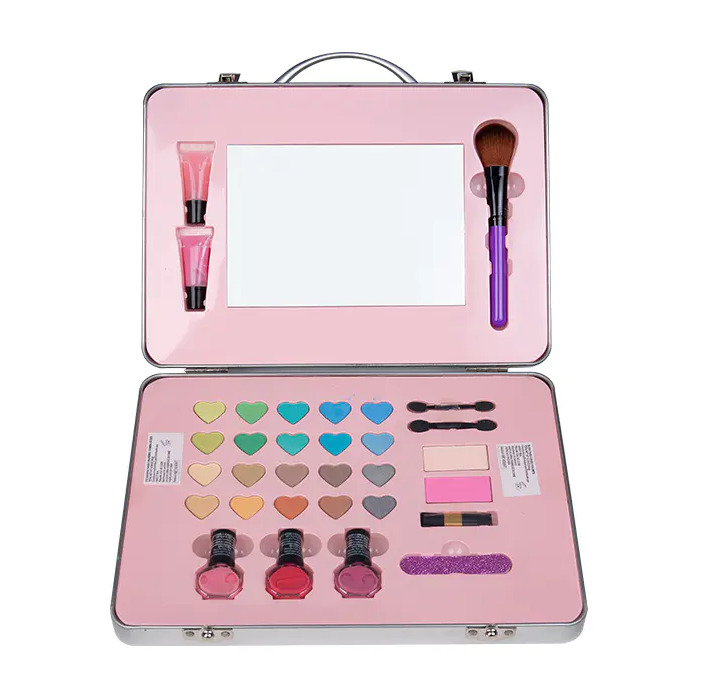
It’s no surprise that many children are drawn to bright colors, shiny palettes, and the idea of dressing up. For preschoolers, engaging with a Cosmetic Pre-School Toy or exploring safe Kids Cosmetics can feel like participating in adult behavior in a playful and imaginative way. Caregivers often ask whether this fascination reflects deeper psychological or social factors.
For many young children, play makeup is part of broader pretend play that helps them explore social roles, express creativity, and develop fine motor skills. Painting faces on dolls, trying out colors on paper, and applying wash-off products with brushes can be fun and engaging. However, parents also worry that early exposure to makeup play might send unhelpful messages about appearance too early. Balancing encouragement of creative play with thoughtful guidance is key.
Social media and peer influence also shape children’s desires. In older age groups, some parents notice that kids start expressing interest in beauty products after seeing peers use them or after they see adult behaviors being emulated. While this trend isn’t inherently negative, it highlights the importance of distinguishing between pretend play and serious cosmetic use. Many discussions on forums note that children sometimes see makeup as a way to fit in or emulate adults, not just play.
Open communication with children about what play makeup means—emphasizing fun and creativity rather than appearance or beauty standards—can help mitigate pressure to use real cosmetics prematurely. Setting clear boundaries, offering alternative creative outlets like face paints designed for children, and making play a shared activity can keep experiences positive.
Understanding the psychology of why kids enjoy these interactive toys helps caregivers support healthy development while still allowing children to enjoy imaginative activities.


